Squishy Toy Care, Durability and Safety Guide
To clean a squishy safely, first identify whether it is painted foam, a sealed filled toy, a flocked or fuzzy ball, or a fabric plush. Use the manufacturer’s current instructions, start with the least moisture and friction possible, keep the item away from heat, and stop using it if the shell opens or the contents leak.
There is no universal wash method for every squishy. This guide gives a construction-first process for cleaning, storage, inspection, odor, stickiness, paint wear, seam damage, and product safety without relying on risky viral hacks.
Before You Clean Any Squishy
Cleaning begins with identification. A foam cake with painted details, a transparent fluid ball, a flocked squeeze toy, and a plush pillow can all be sold under the word “squishy,” but water and friction affect them differently. For an overview of these categories, see our complete guide to squishy types, and for a breakdown of what’s actually inside each one, our materials and fillings guide.
Read the label and product page
Look for the brand or manufacturer, model, exterior material, filling, age grading, warnings, and care instructions. Save the instructions at purchase time because online listings can change or disappear.
If the care method is missing, do not assume a competitor’s instructions apply. Use a light surface-cleaning approach or contact the seller before exposing the item to water, detergent, powder, alcohol, or heat.
Perform a 15-second condition check
Inspect the seam, plug, narrow folds, painted surface, and any place that looks stretched. Then check for new odor, oily residue, unexpected stickiness, loose fibers, flaking, discoloration, or visible filling.
Do this before cleaning and after the product dries. If a sealed toy has opened or a liquid, gel, powder, bead, or unknown material is escaping, stop use instead of washing the damage away.
Test a hidden area
Even mild soap can affect paint, printing, glitter, flocking, or a specialty coating. Test a small, inconspicuous area with minimal moisture and let it dry before treating the visible surface.
A clean-looking test immediately after wiping is not enough. Check again when fully dry for color transfer, dullness, tack, cracking, or texture change.
Prepare a safe cleaning area
Work over a washable tray or counter away from food preparation and small children. Use a soft white cloth so color transfer is visible, and keep the product package nearby for reference.
Do not clean a damaged filled toy over a sink where released beads or unknown contents could spread. Place it in a separate container and follow seller, manufacturer, and current disposal guidance.
Stop immediately and contact the seller or manufacturer if: the shell has split, torn, or opened; contents such as beads, gel, liquid, or powder are visible or leaking; there’s a strong chemical or fuel-like smell; stickiness is oily or paired with cracking; or you can’t confirm what the filling is. The sections below repeat this “stop use” guidance in context on purpose — treat it as the default answer whenever a product’s identity or condition is uncertain.
How to Clean Squishy Toys by Construction
Except where a manufacturer or regulator source is linked, the steps below are TopToyFun’s cautious editorial starting point, not a manufacturer-verified or independently lab-tested procedure. When in doubt, follow your specific product’s own instructions first.
Painted slow-rise foam
Painted foam is porous and its surface art may be more fragile than the foam body. Start by removing dry dust with a gentle air puff or very soft cloth, then use a barely damp cloth only if the product instructions permit it.
Do not wring, twist, soak, scrub, or use a hair dryer. Pressing water into the foam can slow drying, while rubbing can lift paint from raised details and folds.
Allow the product to air dry in a shaded, ventilated place with room around all sides. Do not place it on a heater, in direct hot sun, or in a microwave to speed the process.
Sealed TPR, TPE, or rubber-like filled toys
If the maker permits washing, use cool or lukewarm water, a small amount of mild soap, and gentle hand contact. Support the toy rather than pulling it by a thin section, and avoid stretching the seam or plug while the surface is slippery.
Rinse only as much as needed and dry with a soft towel. Let the item air dry completely before returning it to a closed container.
Brand instructions are product-specific. Schylling, for example, provides mild soap, water, air-drying, and powder guidance for its own products in the NeeDoh FAQ; that does not automatically authorize the same method for every squishy shell or coating.
Clear, glitter, slushy, or bead-filled balls
Clear shells make internal changes visible, but they are still sealed filled products. Clean only the exterior and inspect for clouding, bubbles near a closure, new bulges, punctures, or leaking before and after.
Avoid squeezing hard during washing. Soap can make the surface difficult to grip and increase the chance of dropping, stretching, or puncturing the toy against a nearby object. These fillings also drive a lot of the sound and rebound differences covered in our texture, sound and rebound guide.
Flocked and fuzzy squeeze balls
Flocked surfaces can trap lint and may release fibers when rubbed. Use a very light dry clean first, then follow the specific instructions if moisture is allowed.
Aggressive tape, stiff brushes, soaking, or repeated rubbing can remove the surface that creates the fuzzy feel. If the toy contains a separate filled core, the internal shell still needs a seam and leakage inspection.
Fabric and plush squishies
Read the sewn-in care label. A shaped pillow or decorative plush product is spot-clean and air-dry unless its own label says otherwise — do not assume full immersion or machine washing is safe without checking.
Use a damp cloth on the affected area, blot instead of scrub, and keep moisture from saturating the stuffing. Let the item dry fully before storage because retained moisture can create odor or damage.
Example: Plush Care in Practice
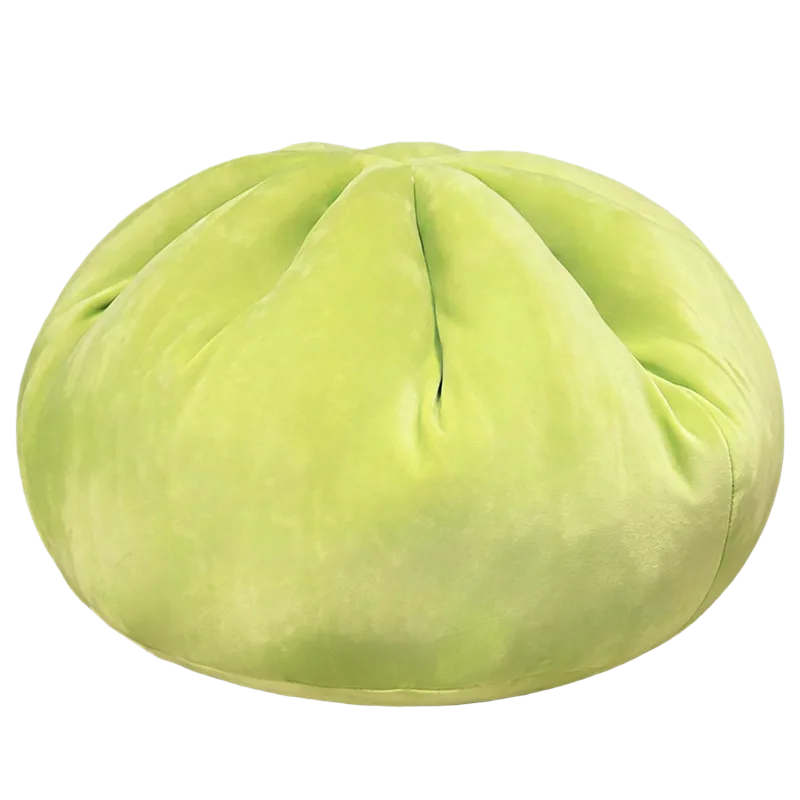
See the Steamed Dumpling Pillow
TopToyFun sells this plush example; its current product page lists a plush exterior, PP cotton filling, and spot-clean care. It illustrates why a dumpling shape alone can’t tell you whether a specific product should be wiped like foam, gently washed like a rubber shell, or treated as plush — check that product’s own listing.
Wax-coated and crispy squishies
A breakable coating is part of the intended sensory effect, so cleaning can change it permanently. Do not wash or powder the surface without explicit maker instructions.
If the coating sheds during normal use, contain the fragments and follow the product’s age and disposal guidance. Keep loose pieces away from young children and pets.
DIY balloon and handmade stress balls
DIY products can contain flour, starch, slime, foam beads, water beads, gels, or unknown mixtures inside a balloon or handmade shell. Construction quality and ingredient records vary, so treat leaks as a release of the actual filling rather than as a cosmetic problem.
Clean the outside lightly and avoid soaking knots, funnels, closures, or layered balloon seams. Latex sensitivity, small components, expanding beads, adhesives, and chemical mixtures require product- and user-specific caution. If you’re building one yourself, our DIY crunchy stress ball breakdown covers what actually went wrong with several homemade seals.
| Construction | Safe starting method | Avoid | Stop-use signal | Source |
|---|---|---|---|---|
| Painted slow-rise foam | Dry dust removal; barely damp cloth if permitted | Wringing, soaking, hair dryer | Paint lifting, slow drying, shape not recovering | TopToyFun editorial |
| Sealed TPR/TPE/rubber-like | Cool water, mild soap, gentle hand contact | Pulling by a thin section, stretching the seam | Clouding, bulging, leaking | TopToyFun editorial; brand example: Schylling NeeDoh FAQ |
| Clear/glitter/slushy/bead-filled | Exterior-only cleaning | Hard squeezing while wet | Bubbles near closure, punctures | TopToyFun editorial |
| Flocked/fuzzy | Light dry clean first | Stiff brushes, soaking, repeated rubbing | Fiber loss, exposed core leaking | TopToyFun editorial |
| Fabric and plush | Spot clean, blot, air dry | Full immersion unless labeled washable | Retained odor, stuffing damage | TopToyFun editorial; check sewn-in label |
| Wax-coated/crispy | No cleaning without maker instructions | Washing or powdering the coating | Shedding fragments reaching children/pets | TopToyFun editorial |
| DIY/handmade stress balls | Light exterior wipe only | Soaking knots, funnels, seams | Any leak of the actual filling | TopToyFun editorial |
What to Do When a Squishy Is Sticky, Smelly, Leaking, or Peeling
Sticky or tacky surface
A slight tack can be normal for some flexible materials, but a new change needs attention. Heat exposure, aging, oils, incompatible cleaners, coating breakdown, or residue can all alter the surface.
First isolate the toy from other items so it does not transfer residue or paint. Check the manufacturer’s instructions before using cornstarch, baby powder, alcohol, wipes, or household cleaners because a method that works for one product may damage another.
Stop use if the stickiness is extreme, oily, paired with a strong chemical smell, or appears with cracks and leakage. Preserve the package and contact the seller or maker.
Strong or unusual odor
Fragrance may be intentional in a scented foam product, while a strong chemical, fuel-like, rancid, or worsening odor is different. Do not mask an unknown smell with perfume or heat.
Move the product to a ventilated area away from children and pets, avoid prolonged skin contact, and review the label and seller information. If odor is persistent or accompanied by oily residue, damage, or missing traceability information, stop use and seek a return or product-specific guidance.
Seam split, puncture, or leaking filling
Stop squeezing immediately. Place the product in a container, prevent contact with eyes and mouth, wash exposed skin according to available instructions, and keep the contents away from children, pets, drains, and food areas.
Do not taste, smell closely, or heat the contents to identify them. A glue repair may fail under pressure and may introduce an incompatible chemical, so use it only if the manufacturer supplies an approved repair method.
Paint cracking or peeling
Surface paint often wears first at deep folds, raised decorations, and frequently pinched areas. Small cosmetic cracks may not affect the internal foam, but collectors should document them because appearance is part of the product value.
If flakes detach, keep them away from young children and stop use when required by the product instructions. Avoid adding craft paint or sealant unless compatibility and intended use are known.
Glitter, powder, or fibers shedding
Determine whether the effect is an intentionally loose surface, a damaged coating, or contamination from another object. Contain loose material, clean the surrounding area, and review age grading and warnings.
A product marketed for active squeezing should describe expected surface change. If the listing promised a sealed finish and shedding begins immediately, document the condition for the seller.
Permanent dent or slow recovery
A dent can be normal for moldable and no-rebound toys. It may be temporary in slow-rise foam after cold shipping or long compression, but heat should never be used to accelerate recovery.
Let the product rest at room temperature in a safe ventilated place and follow its instructions. Compare the result with the advertised rebound behavior, not with a different material family.
How to Store Squishies for Better Durability
Avoid heat and direct sunlight
Heat can change shells, finishes, adhesives, fillings, and internal pressure. It can also create a serious hazard, so never microwave, boil, bake, or deliberately warm a squishy.
Use a cool, dry storage area away from radiators, hot cars, windowsills, cooking appliances, and direct sunlight. Allow a recently cleaned item to dry fully before closing it in a box.
Prevent long compression
Do not store heavy objects on top of foam or plush squishies. Long compression can create dents, surface creases, paint transfer, and misshapen stuffing.
Give filled balls enough space that sharp edges cannot puncture them. Separate tacky surfaces, painted foam, and fuzzy finishes to reduce transfer and lint pickup.
Keep packaging when it carries evidence
Packaging may contain the model, batch information, importer, warnings, care instructions, and proof needed for a return or recall check. Collectors may also value a complete package.
Do not use sealed retail packaging as long-term storage if it traps moisture or compresses the product. Store the information card separately if the container itself is unsuitable.
Rotate high-use items
Repeated squeezing concentrates wear at the same seam and decoration. Rotating between products can reduce constant stress and makes it easier to notice when one unit changes.
A simple photo when the toy is new creates a useful baseline. Compare the same angles after cleaning or heavy use to track cracks, clouding, discoloration, or surface loss.
Safety, Counterfeit, and Recall Checks
In August 2026, the CPSC warned consumers about fake and counterfeit squishy toys and reiterated that squishies should never be heated. Its consumer safety alert lists signs such as unknown manufacturers, missing safety information, strong chemical odor, oily or sticky feel, and products that leak or tear.
The warning also notes that squishy toys may contain water beads, gels, liquids, powders, or sand. That is a reason to verify each product, not a basis for assuming that every squishy has the same filling or risk.
Check product identity, not just appearance
Search the exact brand, model, importer, and identifying features on the package. A similar shape or color is not enough to match a recall, and a familiar marketplace image is not enough to prove authenticity.
The CPSC Toy Safety Center links to current U.S. recall and safety resources. Other countries have their own regulators and requirements.
Treat water beads as a specific high-risk issue
Water beads are tiny enough that a dropped or swallowed one is easy to miss, and they keep expanding after they are swallowed — which is why the CPSC treats them as a distinct high-risk category rather than just another filling type. The CPSC water-bead resource should be consulted when a product contains or may release them.
Do not rely on a shell to make expanding beads harmless. A tear, puncture, weak plug, or deliberate cutting can release the contents.
Do not invent safety claims
“Non-toxic,” “food-grade,” “medical,” “therapy,” and “safe for all ages” are not casual texture descriptions. They require appropriate, current support and should not be inferred from softness, scent, branding, or a creator’s reassurance.
Age grading is not a complete guarantee, but it is essential information. Consider mouthing behavior, small parts, allergies, latex, filling type, and the ability to recognize and report damage.
A Simple Squishy Care Routine
- Before use: inspect the surface, seam, plug, odor, and package information.
- During use: squeeze as intended without pulling thin sections or forcing extreme bulges.
- After use: wipe only when needed, using the product-specific method.
- Before storage: confirm the toy is clean, fully dry, and not leaking.
- Weekly for high-use items: compare with the new-item photo and check for changes.
- When damaged: isolate it, preserve identifying information, and stop use until resolved.
Good care does not make an unsafe or defective product safe. The routine is designed to catch changes early and avoid preventable damage.
Frequently Asked Questions
Q: Can you wash squishy toys with soap and water?
Some sealed rubber-like products can be gently washed when their manufacturer allows it, while painted foam, flocked surfaces, and plush may need different care. Check the exact product instructions first.
Q: How do I make a sticky squishy less sticky?
Identify the product and cause before adding powder or cleaner. If the stickiness is new, oily, strongly scented, or associated with damage, stop use and contact the seller or maker.
Q: Can I microwave a squishy to make it rise again?
No. Never microwave or deliberately heat a squishy because heat can cause burns, rupture, pressure changes, and material damage.
Q: Is a peeling squishy still safe to use?
It depends on the construction, age grading, and nature of the damage. Stop use if pieces detach, the inner body is exposed, the product leaks, or the manufacturer instructs disposal.
Q: What should I do with a leaking stress ball?
Stop squeezing, isolate it in a container, avoid contact with the contents, keep it away from children and pets, and contact the seller or manufacturer. Follow current product-specific disposal and recall guidance.
Q: How should collectors store painted squishies?
Keep them cool, dry, shaded, uncompressed, and separated from surfaces that may transfer color or stick. Preserve package information and inspect high-fold areas periodically.
Informational notice: This guide is general educational information and does not replace manufacturer care instructions, product testing, medical advice, recall notices, or local disposal requirements. When product identity or contents are unknown, choose the cautious response and stop use.